The GPG Suite is suitable for most users due to its user-friendly interface, allowing easy encryption, decryption, signing, and verification of files. For those seeking a simpler command-line tool, gpgv offers a streamlined option focused solely on signature verification. Users who prefer minimal command-line interactions might opt for icetrust, which verifies files against checksums or PGP signatures without requiring extensive command-line knowledge.
Comparing PGP Verification Tools: Which is Best?
| Tool Name | User Interface | Signature Verification | Platform Compatibility | Additional Features | Security Level |
|---|---|---|---|---|---|
| gpgv | Command line | Yes | Linux | Minimalist design | High |
| GPG Suite | User-friendly GUI | Yes | Windows, Mac, Linux | Encryption, decryption, signing | High |
| sopv | Command line | Yes | Linux | Verification-only tool | Medium |
| icetrust | Simple GUI | Yes | Windows, Mac, Linux | Checksum verification | Medium |
What is PGP and Why is Verification Important?
PGP, or Pretty Good Privacy, is a data encryption and decryption program that provides cryptographic privacy and authentication. It is widely used for securing emails and files through encryption. PGP employs a combination of symmetric-key and public-key cryptography to ensure that only intended recipients can access the information. For example, a digital signature certifies and timestamps a document. If the document is altered, the verification of the signature will fail[1].
Verifying PGP signatures is crucial for preventing fraud and ensuring the authenticity of messages or software. When a file is signed using PGP, users can confirm that it has not been tampered with. This is particularly important for software downloads. All Linux kernel releases, for instance, are cryptographically signed using PGP-compliant signatures, and users are strongly encouraged to verify their integrity[2]. Verifying software signed with PGP helps to mitigate certain classes of attacks, making it a reliable method for software verification[3].
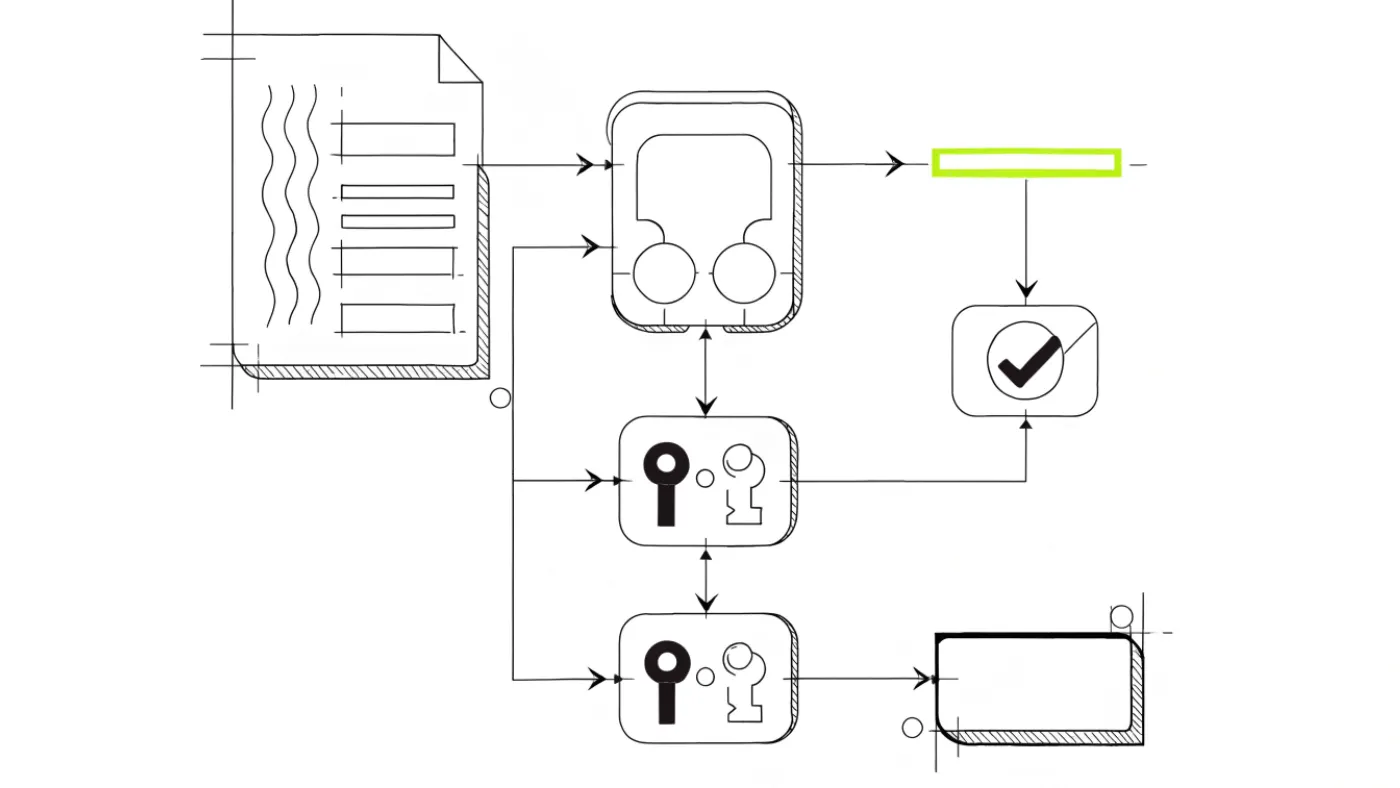
To verify a PGP signature, users can use commands such as gpg --verify SIGNATURE.SIG DOWNLOADED_FILE, which indicates whether the signature is valid[4]. Tools like gpgv simplify this process by focusing solely on signature verification, ensuring that the signed data is compared against a list of trusted keys[5]. Additionally, the icetrust tool provides an alternative for users unfamiliar with command line tools, allowing verification against checksums or PGP signatures[6].
Using a trusted version of GnuPG is essential for maintaining the integrity of downloaded files[7]. Despite some vulnerabilities in the OpenPGP standard, PGP remains a reliable choice for verifying software, provided that strict signature checking is implemented[3].
Key Features to Look for in PGP Verification Tools
When selecting a PGP verification tool, consider the following key features:
User Interface
A user-friendly interface is essential, especially for those with limited technical knowledge. Tools like the GPG Suite offer a graphical interface, making encryption, decryption, signing, and verification straightforward[8]. In contrast, command-line tools such as gpgv and sopv may be less accessible for some users but provide a minimalist design focused on verification tasks[9].
Compatibility with Operating Systems
Ensure that the tool is compatible with your operating system. The GPG Suite supports Windows, Mac, and Linux, catering to a broad audience. In contrast, gpgv and sopv are primarily designed for Linux users, which may limit their accessibility for others[9].
Support for Various Key Formats
A versatile tool should support multiple key formats. This enables users to work with different types of PGP keys without compatibility issues. Tools like gpgv are designed to compare signed data against a list of trusted keys, ensuring that only valid signatures are accepted[5].
Security Measures
Security features are paramount. Look for tools that offer robust verification processes. For example, verifying software signed with PGP helps mitigate certain types of attacks, making it a reliable method for software verification[3]. Additionally, using trusted versions of GnuPG is crucial for maintaining the integrity of files[7].
In summary, the ideal PGP verification tool should combine a user-friendly interface, broad OS compatibility, support for various key formats, and strong security measures. Tools like the GPG Suite and gpgv serve different user needs effectively, while icetrust provides a simpler alternative for those unfamiliar with command-line usage[6].
Top PGP Verification Tools Compared
| Tool Name | User Interface | Signature Verification | Platform Compatibility | Additional Features | Security Level |
|---|---|---|---|---|---|
| gpgv | Command line | Yes | Linux | Minimalist design | High |
| GPG Suite | User-friendly GUI | Yes | Windows, Mac, Linux | Encryption, decryption, signing | High |
| sopv | Command line | Yes | Linux | Verification-only tool | Medium |
| icetrust | Simple GUI | Yes | Windows, Mac, Linux | Checksum verification | Medium |
gpgv is a command-line tool specifically designed for signature verification. It offers a minimalist design, making it efficient for users focused solely on verifying signatures. However, it is limited to Linux platforms, which may restrict its use for some users[9].
GPG Suite provides a user-friendly graphical interface, making it suitable for users with varying levels of technical expertise. It supports encryption, decryption, signing, and verification across Windows, Mac, and Linux platforms. This versatility enhances its appeal, but the complexity of features may be overwhelming for some users[8].
sopv serves as a verification-only tool for Linux, designed for those who require a straightforward command-line option. While it effectively verifies signatures, its limited functionality may not cater to users looking for additional features[10].
icetrust offers a simpler interface for verifying files against checksums or PGP signatures. This tool is suitable for users unfamiliar with command-line operations, providing an accessible alternative across multiple platforms. However, it may lack some advanced verification capabilities found in other tools[6].
In summary, the choice of PGP verification tool depends on user needs and technical proficiency. GPG Suite is ideal for general users, while gpgv and sopv cater to those comfortable with command-line interfaces. icetrust serves as a beginner-friendly option.
How to Verify a PGP Signature: Step-by-Step Guide
Verifying a PGP signature involves a straightforward process. Here’s a step-by-step guide using different tools.
Using GPG (GNU Privacy Guard)
Install GPG: Ensure that GPG is installed on your system. For most Linux distributions, it can be installed via the package manager.
Obtain the Signature and File: Download the signed file and its accompanying signature file (e.g.,
FILE.txtandFILE.txt.sig).Run the Verification Command: Open your terminal and execute:
gpg --verify FILE.txt.sig FILE.txtThis command checks the validity of the signature against the file.
Interpret the Result: The output will indicate if the signature is good or bad. A good signature confirms the file's integrity and authenticity[4].
Using gpgv
Install gpgv: This tool is usually available in the same package as GPG.
Download Files: Make sure you have the signed file and its signature.
Verify the Signature: Use the command:
gpgv FILE.txt.sig FILE.txtgpgv is designed for signature verification, providing a simpler interface compared to GPG[9].
Check the Output: gpgv will return success only for a valid signature, ensuring a high level of verification[5].
Using GPG Suite (for Windows and Mac)
Install GPG Suite: Download and install GPG Suite from its official site.
Open GPG Suite: Launch the application and navigate to the verification section.
Load the Files: Import both the signed file and its signature.
Verify: Click the verify button. The interface will display whether the signature is valid or not[8].
Using icetrust
Install icetrust: This tool is available for Windows and Mac.
Select Files: Choose the file and its signature to verify.
Run Verification: Click the verify option. icetrust simplifies the process, making it accessible for users unfamiliar with command line tools[6].
Conclusion
These methods provide various options for verifying PGP signatures. Each tool has its strengths and limitations, catering to different user needs. For detailed instructions on verification, refer to the guide on A Guide to PGP Signature Verification.
Common Mistakes When Using PGP Verification Tools
Users often encounter several common mistakes when using PGP verification tools. Awareness of these pitfalls can enhance the effectiveness of the verification process.
One frequent error is neglecting to verify the integrity of the software before installation. Many users download software without checking its PGP signature. This oversight can expose them to malicious software. Verifying software signed with PGP mitigates certain classes of attacks, making it a reliable method for software verification[3].
Another mistake involves using outdated or untrusted versions of GnuPG. Using a trusted version is crucial to ensure the integrity of the verification process[7]. Regular updates and careful attention to the source of the software can prevent security vulnerabilities.
Users may also fail to confirm that the public key used for verification is legitimate. Relying on unverified keys can lead to trusting fraudulent signatures. It is essential to compare signed data against a list of trusted keys, as tools like gpgv are designed to do[5].
Additionally, some users misunderstand the verification command syntax, leading to incorrect results. For example, the command gpg --verify SIGNATURE.SIG DOWNLOADED_FILE should be used correctly to check the signature[4]. Missteps in command execution can result in misleading outputs.
Lastly, many users do not take advantage of user-friendly interfaces provided by tools like the GPG Suite, opting instead for more complex command-line options. This can complicate the verification process unnecessarily[8].
By avoiding these common mistakes, users can significantly enhance their security during PGP verification. For a deeper understanding of the verification process, refer to the guide on A Guide to PGP Signature Verification.
Advanced Features of PGP Verification Tools
Advanced PGP verification tools offer functionalities that enhance usability and efficiency. Key features include batch verification, integration with email clients, and automation options.
Batch Verification
Some tools provide batch verification capabilities. This allows users to verify multiple signatures simultaneously, saving time and reducing manual effort. For instance, using command-line options in gpg can facilitate batch processing for users handling numerous files.
Integration with Email Clients
Integration with email clients is a significant advantage. Tools like GPG Suite allow users to verify PGP signatures directly within their email applications. This feature simplifies the verification process for users who frequently handle signed emails, ensuring they can quickly confirm authenticity without switching between applications[8].
Automation Options
Automation features are beneficial for routine tasks. Certain tools support scripting or command-line automation. This enables users to set up automated workflows for verifying signatures on downloaded files. For example, gpgv can be incorporated into scripts to streamline verification processes for regular downloads, enhancing efficiency for advanced users[9].
Strengths and Limitations
The strengths of these advanced features include increased efficiency and convenience. Batch verification and email integration cater to users with high-volume verification needs. However, these features may require a steeper learning curve for those unfamiliar with command-line operations or scripting.
Target Audience and Pricing
These advanced functionalities are suited for professionals and individuals who regularly engage with encrypted communications or software verification. Pricing varies; tools like GPG Suite may have associated costs for premium features, while others like gpgv are open-source and free to use[9].
In summary, advanced PGP verification tools enhance the user experience through batch processing, integration with email clients, and automation, catering to the needs of both casual users and professionals.
User Privacy and Data Security Considerations
Different PGP verification tools handle user data and privacy in distinct ways. Understanding these practices is essential for users concerned about data security.
GPG Suite has a clear privacy policy that outlines how user data is managed. It does not store user keys or verification logs, ensuring that personal data remains private. However, it collects usage statistics, which may be a concern for privacy-focused individuals[8]. The tool is suitable for users who need a user-friendly interface while still prioritising privacy.
gpgv is a command-line tool that does not retain user data. It performs signature verification without logging any information about the files being verified. This makes it an excellent choice for users who prefer minimal data retention and are comfortable with command-line interfaces[9]. Its simplicity comes at the cost of a more complex setup for those unfamiliar with such tools.
sopv also focuses solely on verification and does not store user data. Its design is intended for users who require a straightforward verification process without additional features that might compromise privacy[10]. This tool is ideal for Linux users looking for a no-frills verification option.
icetrust provides a user-friendly GUI for verification, but its privacy practices are less transparent. While it simplifies the verification process for users unfamiliar with command-line tools, it is essential to review its privacy policy to understand data handling practices[6]. This tool might appeal to less technical users who prioritise ease of use over detailed privacy controls.
In summary, users should consider privacy policies and data retention practices when choosing a PGP verification tool. GPG Suite and gpgv offer strong privacy protections, while icetrust's practices may require further scrutiny.
Future Trends in PGP Verification Tools
The landscape of PGP verification tools is evolving in response to advancements in cybersecurity. Future developments may focus on enhancing usability, security, and integration across platforms.
One significant trend is the move towards more user-friendly interfaces. Tools like GPG Suite already provide simplified processes for encryption and verification[8]. Future iterations may further streamline these functionalities, making PGP verification accessible to a broader audience. This shift could include graphical interfaces that reduce reliance on command-line inputs, catering to less technical users.
Another trend is the integration of verification tools with other software applications. For instance, email clients may increasingly incorporate PGP verification features directly. This would allow users to verify signatures seamlessly within their email workflows, enhancing security without disrupting user experience.
Improved automation capabilities are also likely. Tools may evolve to support batch processing and scripting more robustly, enabling users to verify multiple files simultaneously. This would be particularly beneficial for developers and IT professionals who regularly handle software updates, as it would save time and reduce manual errors.
Security enhancements will remain a priority. With ongoing vulnerabilities in the OpenPGP standard, tools will likely adopt stricter signature checking mechanisms. This could involve employing cryptographic methods that mitigate known vulnerabilities while ensuring reliable verification of software integrity[3].
Pricing models may also shift, with some tools offering tiered features. Advanced functionalities could be locked behind subscription models, while basic verification services remain free. This approach would cater to both casual users and professionals who require more robust capabilities.
In summary, future PGP verification tools are expected to prioritise usability, integration, automation, and security enhancements, catering to a diverse range of user needs in an evolving cybersecurity landscape.
Pros and Cons of icetrust
Strengths
- User-friendly interface simplifies the verification process for non-technical users.
- Available for both Windows and Mac, increasing accessibility.
- Reduces reliance on command-line tools, making PGP verification more approachable.
Cons
- Privacy practices are less transparent compared to other tools like gpgv.
- May not offer advanced features needed by professional users.
- Users must review the privacy policy to understand data handling, which may deter some.
Who Should Use What
If you are familiar with command line tools, choose gpgv.
This tool is straightforward and efficient for users comfortable with command-line operations. It performs signature verification without retaining any user data, making it ideal for those prioritising privacy.
If you prefer a user-friendly interface, choose GPG Suite.
GPG Suite integrates well with email clients and simplifies the verification process. It is suitable for users who want to verify signatures without delving into command-line complexities.
If you require minimal data retention, choose sopv.
Sopv focuses solely on verification and does not store user data. This makes it a good choice for Linux users looking for a straightforward verification tool without additional features.
If you need a balance between ease of use and advanced features, choose icetrust.
Icetrust provides a user-friendly GUI while simplifying the verification process. However, users should review its privacy policy to ensure it aligns with their data security preferences.
If you handle high-volume verifications, consider tools with batch processing capabilities.
Using command-line options in gpg allows for verifying multiple signatures simultaneously. This feature is beneficial for professionals who regularly manage numerous files.
Conclusion: What to Choose
For typical users, GPG Suite is the best option due to its user-friendly interface and email integration. It simplifies the verification process while maintaining a good level of privacy. If command-line tools are preferred, gpgv offers a straightforward solution without data retention, ideal for privacy-focused users.
For Linux users seeking minimalism, sopv is a suitable choice, focusing solely on verification. Icetrust balances ease of use with essential features but requires careful review of its privacy practices.
Avoid tools with unclear data handling policies unless privacy is not a primary concern. For a comprehensive understanding of the verification process, refer to A Guide to PGP Signature Verification.
Common questions
How to verify a PGP?
To verify a PGP signature, use the command gpg --verify SIGNATURE.SIG DOWNLOADED_FILE. This command checks if the signature is valid and indicates whether it is good or bad[4].
Is PGP still used today?
Yes, PGP is still used reliably for verifying software, especially with strict signature checking. Despite known vulnerabilities in the OpenPGP standard, it remains a trusted method for ensuring integrity[3].
What is the best free PGP encryption tool?
GnuPG (GPG) is widely regarded as one of the best free PGP encryption tools. It offers robust encryption and signature verification capabilities, making it suitable for various users[11].
What is the best software for verifying digital signatures?
GPG Suite is highly recommended for verifying digital signatures due to its user-friendly interface and integration with email clients. For command-line users, gpgv is a lightweight option specifically designed for signature verification[8][9].
What are the risks of not verifying PGP signatures?
Not verifying PGP signatures can lead to security vulnerabilities, such as downloading malicious software. Verification ensures the integrity of files and protects against certain classes of attacks[3].
Can I verify PGP signatures on mobile devices?
Yes, some mobile applications support PGP signature verification. However, the availability and functionality may vary, so users should check specific app capabilities before relying on them.
What are the differences between PGP and GPG?
PGP is the original standard for encryption and signing, while GPG is an open-source implementation of the OpenPGP standard. GPG offers additional features and is widely used for its flexibility and compliance with PGP standards.
Bibliography
- Making and verifying signatures
- Linux kernel releases PGP signatures
- PGP and EFAIL: Frequently Asked Questions
- How to Verify a PGP Signature on Windows, Mac, & Linux - wikiHow
- gpgv(1) — gpgv — Debian bookworm — Debian Manpages
- icetrust v0.1.6
- GnuPG - Integrity Check
- GPG Suite
- gpgv (Using the GNU Privacy Guard)
- sopv(1) — sopv-doc — Debian unstable — Debian Manpages
- [Announce] GnuPG 2.4.3 released
Explore More PGP Resources
Discover additional guides and tools for secure communication.
Visit More Articles